Safety, Quality, Service: What Our Operating Philosophy Looks Like on Your Jobsite
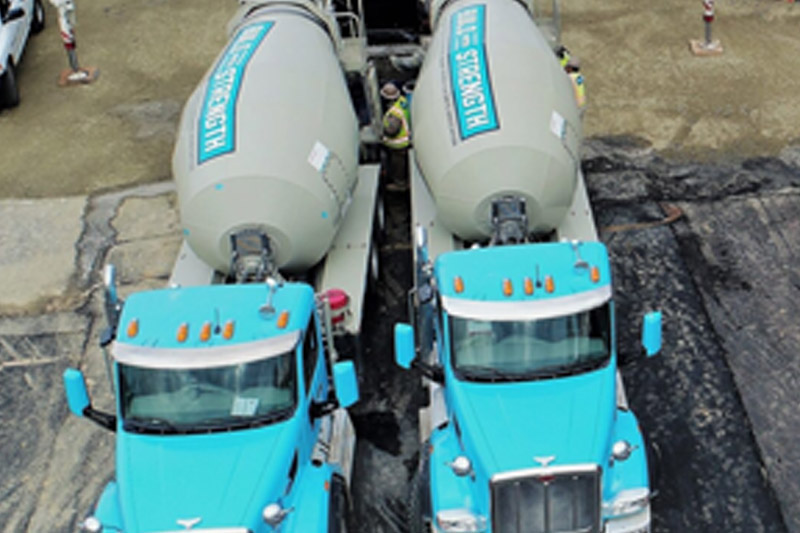
We run more than 900 trucks out of plants across both Carolinas. On any given day, that’s a lot of heavy equipment moving through busy jobsites. It’s a lot of concrete going into buildings, bridges, and roads that people will rely on for decades. And it’s a lot of crews counting on us to keep their day on schedule.
Safety, Quality, Service is how we keep all of that straight.
Safety Comes First
No pour, deadline, or yardage number matters more than everyone going home the same way they showed up. That includes our drivers, your crew, and anyone else on the site.
A lot of that work happens before a truck ever leaves the yard. We invest in fleet maintenance and ongoing training for the people responsible for keeping that equipment operating safely. A mixer in good working order is safer on the highway, and it’s safer backing up to your forms.
The part we think about most is the ground between your site entrance and the pour. Your crew is focused on forms, rebar, and placement, which is exactly where their attention should be. Our drivers spend their time on the approach, the turnaround, and the backing path. That’s where our trucks and your people share the most risk, and it’s where a little preparation goes a long way.
Quality Starts with Consistent Production and Communication
To us, quality starts with producing concrete to the specified mix design and project requirements. That means controlling the materials, production, and testing processes that help deliver consistent concrete from load to load.
Most of that work happens where you don’t see it. We test materials, review mix designs, and keep close track of the stone, sand, and cement that go into every load.
Site conditions matter too. Concrete is time-sensitive, and your project specs set limits on how long it can stay in the drum before it’s placed. A truck stuck behind a blocked access road, or waiting on a pump that isn’t set up yet, is burning through that window. A few minutes of site preparation before the first truck arrives can prevent much larger problems once the pour is underway.
Service Is Usually the Small Stuff
Dave Grathwohl of Blount, Sanford Contracting Co. shared this about working with our team:
” As you know Blount-Sanford covers most of the southeast, we use many different suppliers. Concrete Supply Co. is hands down the best … They will always have their load right and chutes ready when they back up to our machine, it is those little things that create a productive day.”
We’re grateful for that, and the last line is the one that stays with us. Service on a jobsite is rarely anything dramatic. It’s the small things that keep a crew moving and keep a good day from turning into a long one.
A Truck-Ready Jobsite Checklist
Before the first truck arrives, walk through these items with your team.
Access paths
Backing is one of the biggest risks around a mixer truck. The simplest way to cut that risk is a site that needs less backing.
- Keep the entrance and approach clear of parked vehicles, stockpiles, and equipment.
- Where you can, lay out a route that lets trucks pull through or turn around instead of backing in.
- Identify overhead power lines and other obstructions before delivery day, especially anywhere a pump boom will work.
- Put gravel or stone down on approaches over soft or undeveloped ground.
- Make sure the ground along the delivery route can hold a fully loaded mixer, especially after rain.
Truck Staging and Communication
A good staging plan keeps trucks moving, keeps the concrete inside your spec limits, and keeps people out of harm’s way.
- Set a waiting area out of traffic and close enough to the pour that the next truck can move up quickly.
- Assign one trained spotter per truck. One clear voice is better than three people waving.
- Agree before the pour on how drivers and crews will communicate, whether that’s hand signals or radios, especially on a loud site.
- Never let anyone stand between the back of a mixer and a wall, form, or other solid object.
- Keep anyone who doesn’t need to be there away from the truck during backing and discharge.
- If a pump is on the job, have it set up, tested and ready before the first trucks arrives.
Before Your Next Pour
Save this list and walk your site with it before the next pour. It only takes a few minutes and can help identify problems before they slow the pour down or create a safety concern. The best pours start with both sides knowing what the other needs. A prepared site gives our drivers a safer path, gives your crew a better chance to stay on schedule, and gives everyone a clearer plan when conditions change.